
Life history and social structure as drivers of persistent organic pollutant levels and stable isotopes in Hawaiian false killer whales (Pseudorca crassidens).
Science of the Total Environment. 2020.
Volume 733
More details
Collapse details
Date Published:
Publication:Ocean:Region:Species:Methods:
- September 1, 2020
False killer whales are long-lived, slow to mature, apex predators, and therefore susceptible to bioaccumulation of persistent organic pollutants (POPs). Hawaiian waters are home to three distinct populations: pelagic; Northwestern Hawaiian Islands (NWHI) insular; and main Hawaiian Islands (MHI) insular. Following a precipitous decline over recent decades, the MHI population was listed as “endangered” under the Endangered Species Act in 2012. This study assesses the risk of POP exposure to these populations by examining pollutant concentrations and ratios from blubber samples (n = 56) related to life history characteristics and MHI social clusters.
Complete
Behavioral Response Research Evaluation Workshop II (BRREW II)
Project Objectives
Response
Current
Marine Mammal Sightings During CalCOFI Cruises
Project Objectives
Determine what species and populations of marine mammals are present in Southern California and estimate the abundance and density across seasons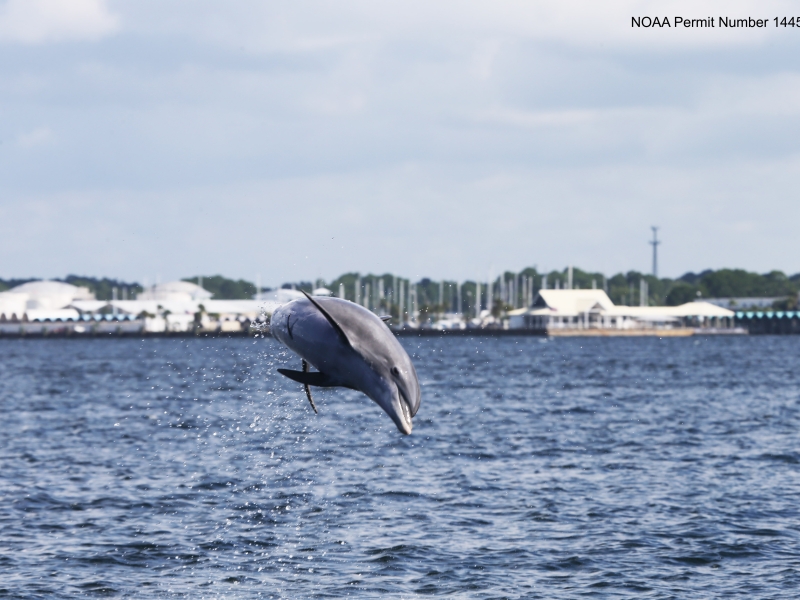
Panama City Dolphin Survey Complete!
August 12, 2015
Bottlenose dolphin photo ID efforts in Florida
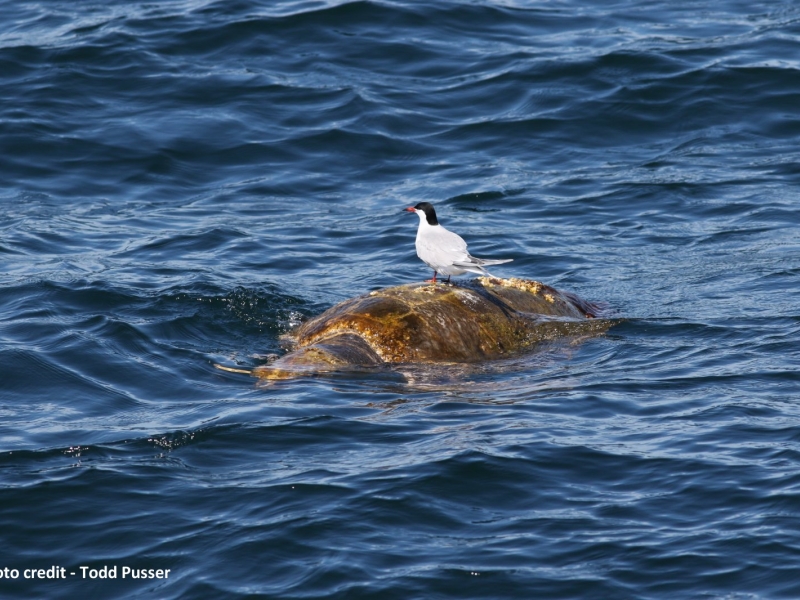
Great Day for a Mid-Atlantic Offshore Survey
April 20, 2015
Pelagic cetaceans and sea turtle sightings.
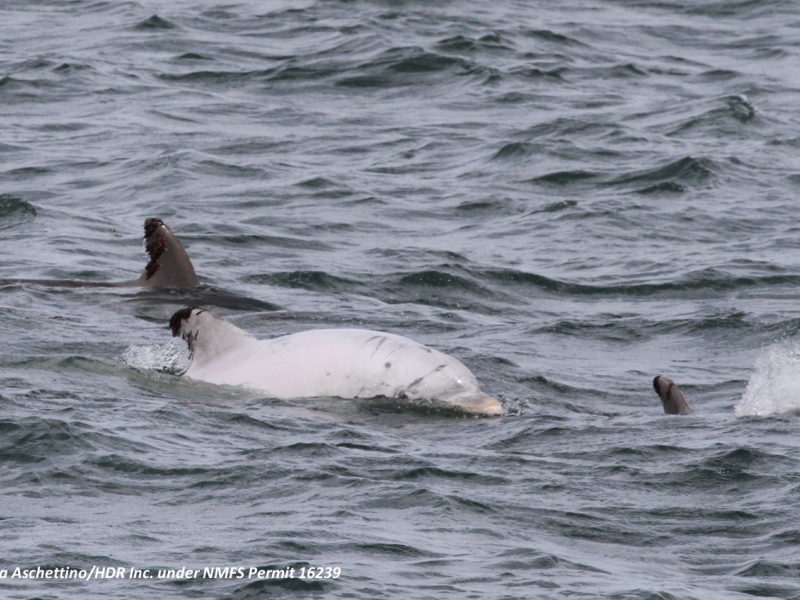
White “Leucistic” Bottlenose Dolphin Seen on Marine Mammal Survey
October 30, 2014
Leucism, like albinism, is a genetic condition that results in a lack of pigmentation in the skin.
No related presentations or posters to display
